



 16.44°C Kathmandu
Wed, Feb 25, 2026
Madhesh Province
Campaign launched to restore Birgunj’s BP Park
The park, spread over 6.7 hectares near Ghantaghar, had been taken over by shacks and waste.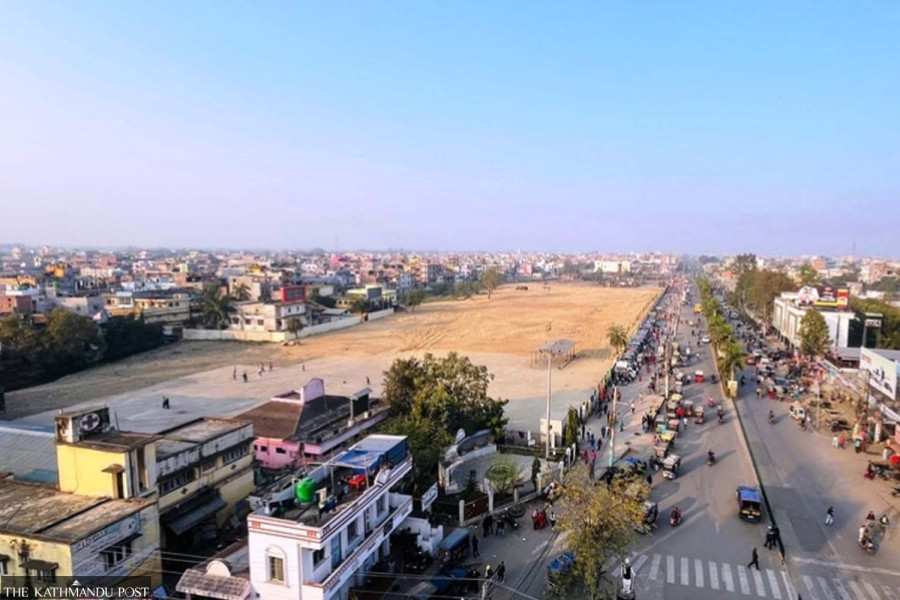
bookmark
Shankar Acharya
Published at : February 25, 2026
Updated at : February 25, 2026 06:53
Parsa
A long-neglected public space in the heart of Birgunj is being revived and this has raised hopes among local people that the city will finally reclaim a much-promised green refuge.
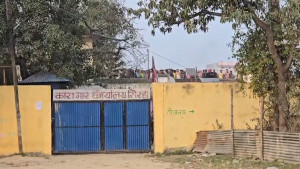
Spread across around 10 bigha (approximately 6.7 hectares) of land near the iconic Ghantaghar, BP Park had for years been buried under encroachment, temporary shacks and mounds of waste. Though purchased nearly three decades ago by the Birgunj Metropolitan City from the then transport corporation for Rs200 million to build a park, political instability and lack of willpower stalled progress.
Now, the metropolitan office has begun clearing encroachments and accelerating a clean-up drive. Soil filling, land levelling and plantation work are under way to restore greenery.
The locals are elated with the metropolis’s initiation. “We had only heard the name of the park for years. Now we can actually see it taking shape. Children will have space to play, and families can come for morning walks and evening relaxation,” said Prinsi Sarraf, a local woman in Birgunj.
Rajesh Man Singh, mayor of Birgunj Metropolis, described the initiative as more than a beautification effort. “This is not just a clean-up campaign; it is a journey to restore the city’s dignity and pride,” he said, adding that a proposed railway museum on the northern side of the park would highlight Birgunj’s historical importance. “It will offer not only greenery but also cultural and historical attractions.”
The site once housed a station linked to the historical Raxaul-Amlekhganj railway, widely recognised as Nepal’s first railway service. Launched in 1927, the 47-kilometre railway connected Birgunj with Amlekhganj, facilitating the transport of goods from India before they were carried onwards to Kathmandu and the hills by porters and mules. With the expansion of road networks, its importance waned, and the line was fully closed in 1965.
Despite the repeated pledges to protect public land in Birgunj from encroachment, rapid urbanisation shrank open spaces and intensified pollution concerns in the border city. Environmentalists have long warned that the absence of parks deprives residents of clean air and communal areas.
According to Singh, the city aims to develop BP Udyan as a “Green Park” for future generations. “The revival of BP Udyan symbolises Birgunj’s transformation. It is about giving citizens a vibrant public space and reaffirming our commitment to the future,” he said.
Locals view the success of the campaign will depend on sustained political commitment. For now, however, the sight of cleared land and fresh saplings has rekindled optimism that greenery is finally returning to the city’s core.
Shankar Acharya
Shankar Acharya is the Parsa correspondent for Kantipur Publications.

Most Read from Madhesh Province

Editor's Picks
Upper house passes tourism bill with tougher Everest rules

What Routine of Nepal Banda gets right, and what it gets wrong
The murky business of room finding in Kathmandu
Nepal’s share market faces unprecedented lockdown as regulators battle industry over trading rules
Ministries differ over extending Indian HICDP aid beyond local governments
E-PAPER | February 25, 2026

×