Advocates seek sweeping changes to Nepal’s sexual violence laws
They say the draft bill must broaden the definition of rape, clearly define consent, decriminalise consensual relationships between close-in-age adolescents, ensure equal punishment for marital rape and remove the statute of limitations. Post Illustration
Advocates have called for major revisions to a government-drafted bill to amend Nepal’s sexual violence laws, saying the proposed changes fall short of addressing longstanding gaps in the legal framework and ensuring justice for survivors.
The Ministry of Law, Justice and Parliamentary Affairs has drafted a bill to amend the National Penal Code, 2017, with provisions intended to strengthen protection for survivors and improve access to justice. However, legal experts and women’s rights advocates say the draft needs further revisions to address discrimination, clarify legal definitions and remove barriers that prevent survivors from reporting sexual violence.
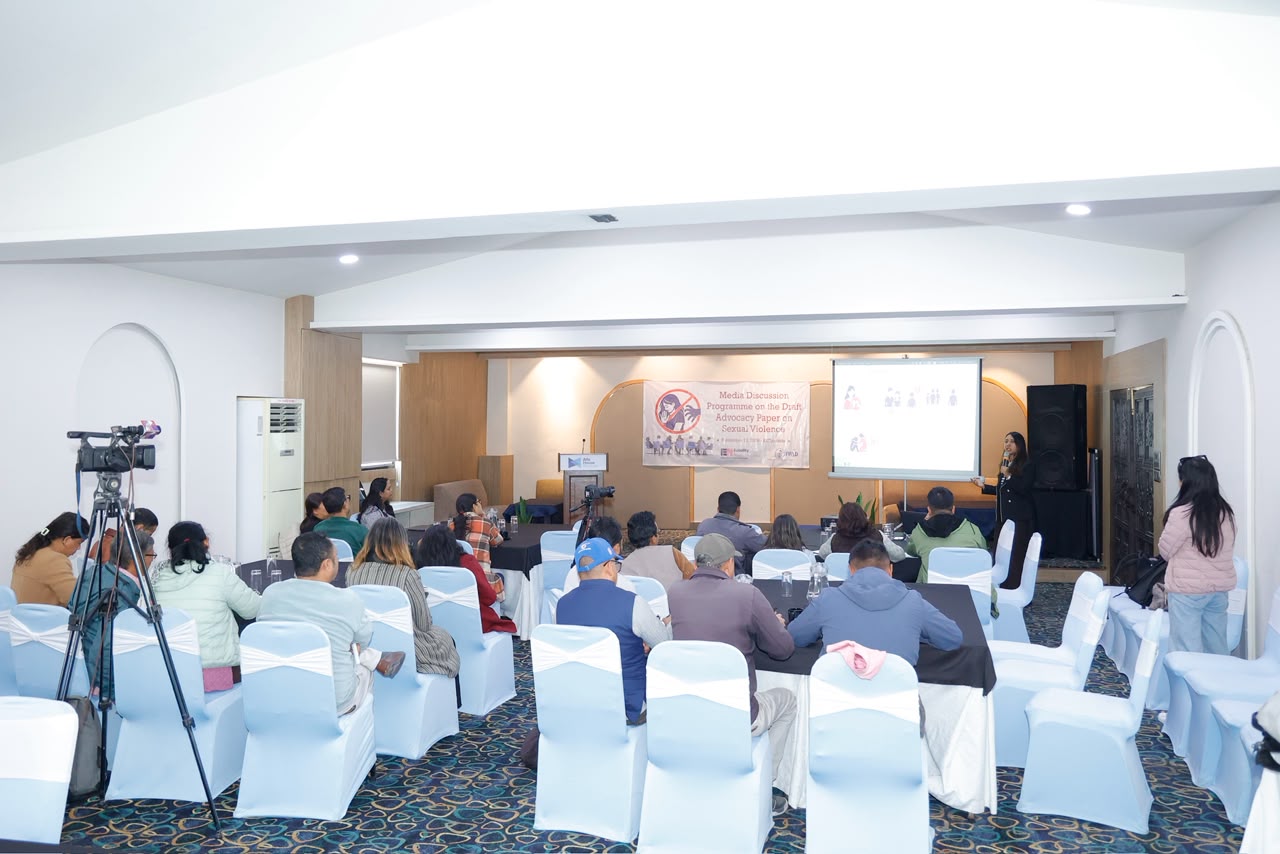
At a media interaction on Monday, jointly organised by the Forum for Women, Law and Development (FWLD) and Equality Now, advocate Didkiksa Singh presented five key areas where the existing law and proposed amendments need to be strengthened.
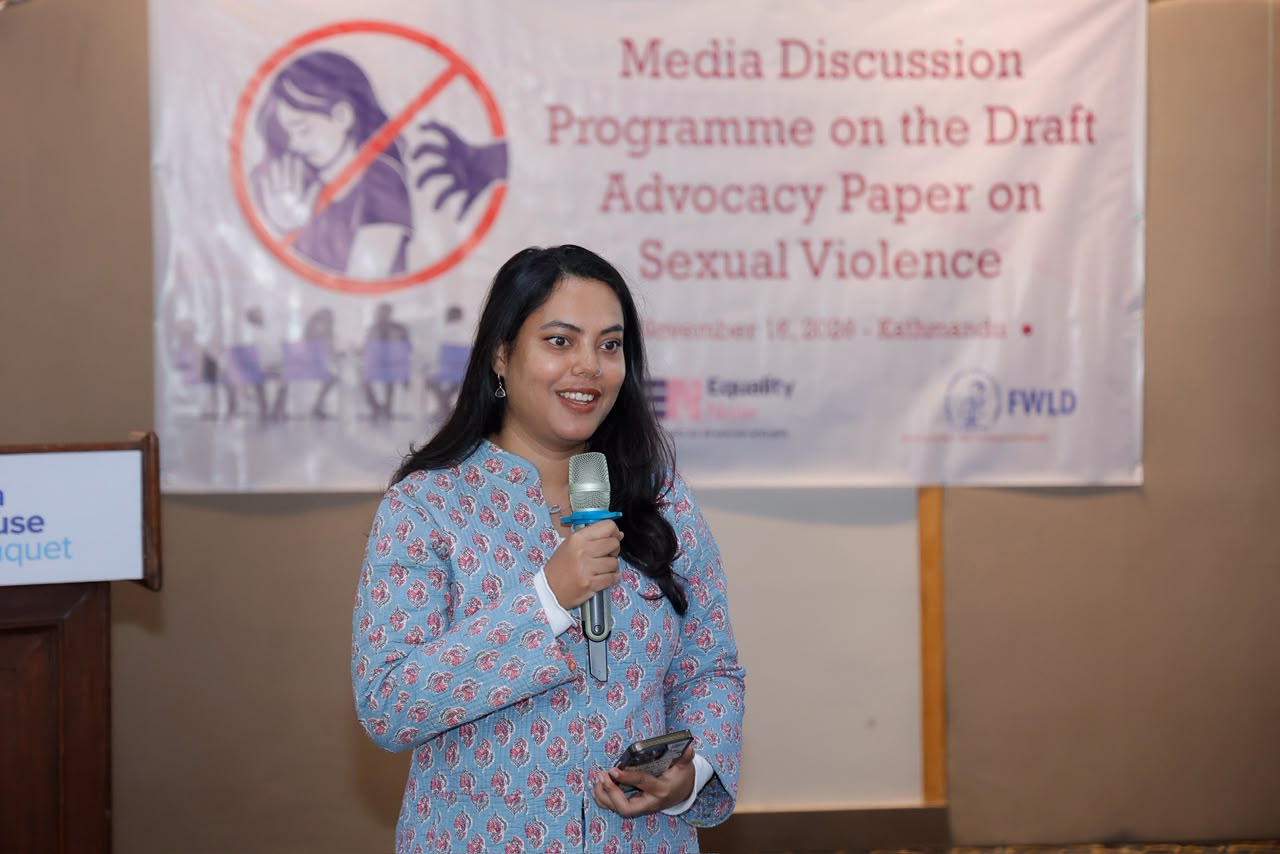
Aakansha Saxena, South Asia Global Lead for Ending Harmful Practices at Equality Now, welcomed Nepal’s efforts to strengthen its laws against sexual violence but stressed that legislation alone would not be enough.
“However, enacting legislation is only the first step; ensuring its effective implementation is equally important,” she said.
Here are the five areas that advocates say require changes:
Broaden the definition of rape
Section 219(2)(c) of the National Penal Code, 2017, recognises penetration of the penis, to any extent, into the anus, mouth or vagina, and insertion of an object other than a penis into the vagina as rape.
However, advocates say the definition fails to cover all forms of non-consensual penetration, including penetration of the mouth or anus using fingers, other body parts or objects. They also argue that the provision does not ensure equal protection for everyone, regardless of sex or gender identity.
An advocacy paper presented at the interaction recommends aligning Nepal’s law with the UN Framework for Model Legislation on Rape. Under the proposed approach, any non-consensual sexual penetration of the vagina, anus or mouth, however slight, using any body part or object, would constitute rape.
The ministry’s proposed amendment seeks to recognise non-consensual sexual relations involving sexual and gender minorities as rape. But advocates say the definition should go further and explicitly cover all forms of non-consensual penetration without discrimination based on sex or gender identity.
Clearly define consent
Although the existing law identifies circumstances in which consent is invalid, advocates say it lacks a clear and affirmative definition of consent.
Section 219(2)(a) states that consent obtained through coercion, undue influence, fear, intimidation, threats, misrepresentation, kidnapping or hostage-taking does not constitute valid consent. Another provision states that consent obtained from a person of unsound mind is invalid.
The advocacy paper recommends defining consent as a voluntary agreement given freely and making clear that it can be withdrawn at any point during a sexual act.
It also says consent should not be inferred from a survivor’s silence, failure to resist, previous sexual history, profession or relationship with the accused.
Aakansha Saxena, South Asia Global Lead for Ending Harmful Practices at Equality Now, speaking on a draft advocacy paper to strengthen sexual violence laws in Kathmandu. Photo: Courtesy of Forum for Women, Law and Development
The paper further recommends clarifying circumstances in which a person cannot legally consent, including unconsciousness, sleep and incapacitation caused by alcohol or drugs.
Advocates say such changes would help prevent survivors from being judged on their behaviour or relationship with the accused rather than whether they voluntarily agreed to the sexual act.
Decriminalise consensual relationships between adolescents
Another major concern is the criminalisation of consensual sexual relationships between adolescents who are close in age.
Under Section 219(2) of the National Penal Code, sexual intercourse with a girl below 18 is considered rape even when she has consented. The provision is framed around conduct by a man against a woman or girl.
The proposed amendment introduces a new Subsection (4) to Section 219. It provides for a maximum one-year prison sentence where individuals below the legal age of marriage engage in mutually consensual sexual activity while in a romantic relationship, provided their age difference is two years or less.
But FWLD and Equality Now say reducing the punishment does not address the fundamental problem, as consensual relationships between adolescents would still be treated as criminal offences.
They recommend fully decriminalising consensual sexual relationships where both individuals are at least 14 years old and their age difference does not exceed two years.
The exception, however, should not apply to cases involving fear, threats, inducement, exploitation or abuse of power or authority. Such conduct should remain punishable under the law.
Ensure equal punishment for marital rape
Advocates have also questioned the proposed reduction in punishment for marital rape compared with other forms of rape.
Forum for Women, Law and Development Executive Director Sabin Shrestha stresses the need to remove the statute of limitations for rape offences during the programme. Photo: Courtesy of Forum for Women, Law and Development
Section 219(4) of the National Penal Code provides for a maximum five-year prison sentence for a husband who rapes his wife while the marriage continues.
The proposed amendment provides for a prison term of three to five years for marital rape.
The advocacy paper argues that prescribing a lower punishment for marital rape than for other forms of rape amounts to discrimination based on marital status. It also raises concerns under Article 18(2) of the Constitution, which guarantees equality and prohibits discrimination on various grounds.
The advocates recommend that marital rape carry the same punishment as other forms of rape, irrespective of the relationship between the survivor and the perpetrator.
They say marriage should not provide a basis for treating sexual violence differently under the law.
Remove the statute of limitations
The fifth major demand is the complete removal of the time limit for filing complaints of rape and other sexual offences.
Section 229(2) of the National Penal Code sets a general two-year limitation period for filing complaints of rape and several other sexual offences. The period was extended from one year to two years through a 2022 amendment.
For children, the limitation period is three years from the date they turn 18. People with profound disabilities, intellectual disabilities and senior citizens above 70 have three years from the date of the offence to file a complaint.
Advocates say these deadlines fail to account for the circumstances that prevent survivors from reporting sexual violence promptly.
Stigma, fear, intimidation and psychological trauma can make it difficult for survivors to disclose abuse. Some may also take years to recognise what happened to them or find the courage and support to seek justice.
The advocacy paper recommends removing the limitation period entirely for rape offences, arguing that access to justice should not depend on how quickly a survivor reports the crime.
It also points to the Committee on the Elimination of Discrimination against Women, which recommended repealing the statute of limitations for reporting sexual violence in its concluding observations on Nepal’s seventh periodic report.
Aarya Chand is a reporter at The Kathmandu Post covering social issues. Before moving to the social beat, Chand was an intern covering culture and lifestyle for the Post.




 12.12°C Kathmandu